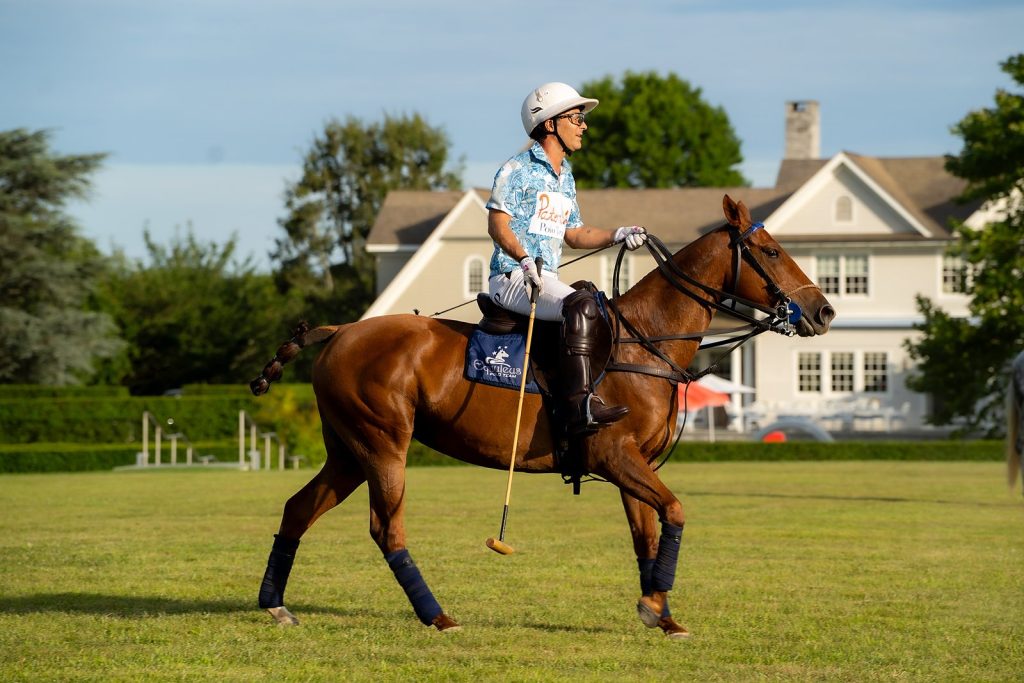
Polo Game Strategy: Why the Best Player Is Often Riding Away From the Ball
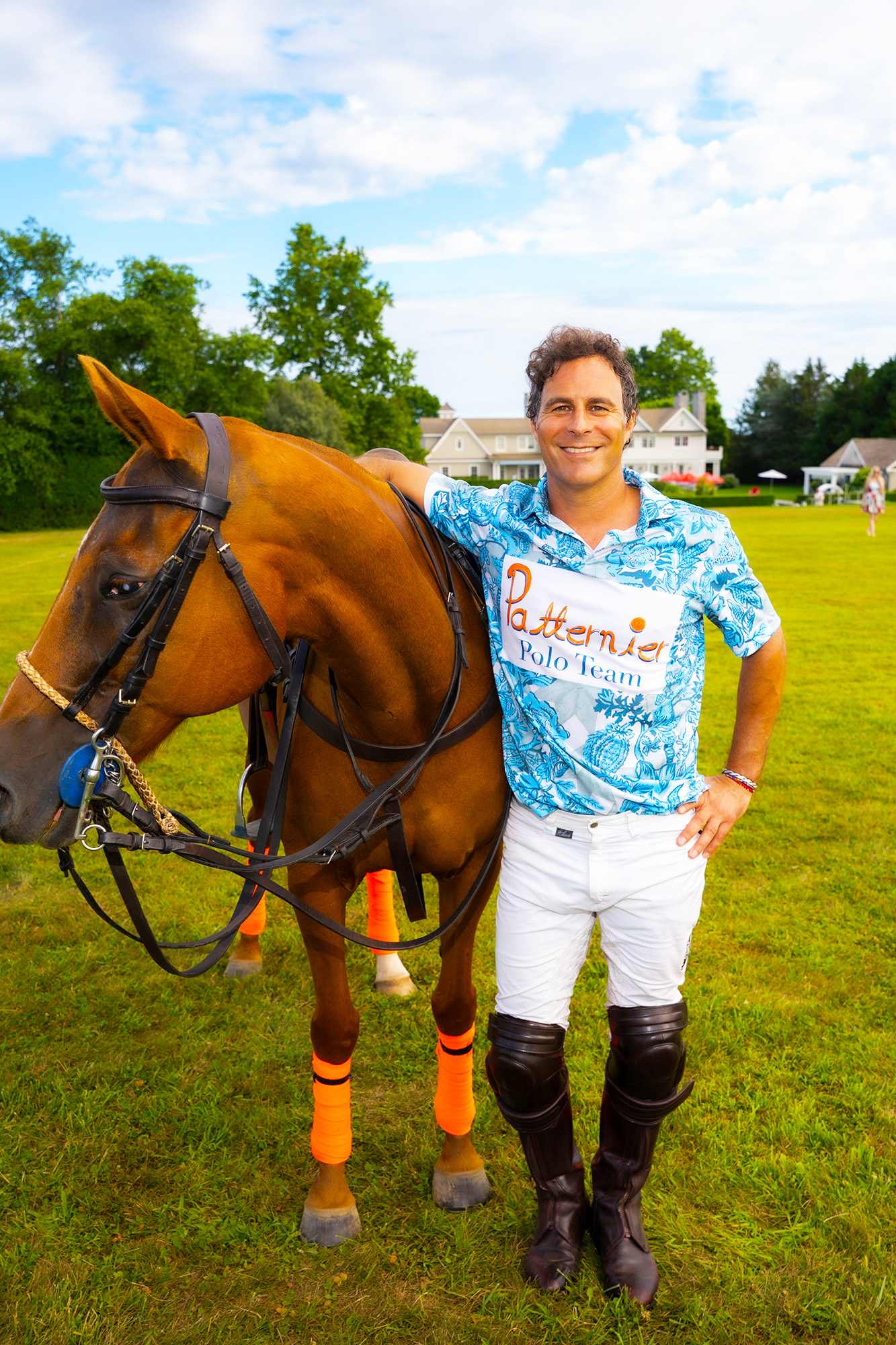
Polo is won by position, anticipation and horse management more than by hitting. Watch the right player and the game reads like a well-run deal team.
Watch the highest-rated player on the field at Polo Hamptons for one full chukker and you may notice something odd. For long stretches, he is nowhere near the ball. He is riding wide, slowing down, drifting toward an empty patch of grass. Then the ball arrives there, as if he had ordered it.
He had, more or less. In other words, polo strategy is the art of being where the ball is going, not where it is. The best players hit it less than you would expect and decide the game anyway, through positioning, marking and the timing of their horses. Once you know what to watch for, the field stops looking like chaos.
What does each position do in polo?
Each of the four positions is a job. First, the No. 1 is the forward and main scorer, staying ahead of the play and marking the other team’s No. 4. Next, the No. 2 is the engine, aggressive in attack and the first to ride off an opponent. The No. 3 is the playmaker, usually the team’s highest-rated player, who turns defense into attack. Finally, the No. 4, the back, defends the goal and keeps the opposing No. 1 out of scoring range.
The positions are fluid in play. Still, players swap roles constantly as the ball changes direction, but a disciplined team always restores the shape: someone forward, someone back, two in the middle. When you see a team lose that shape, a goal against them usually follows.
Why do polo players hit the ball backward?
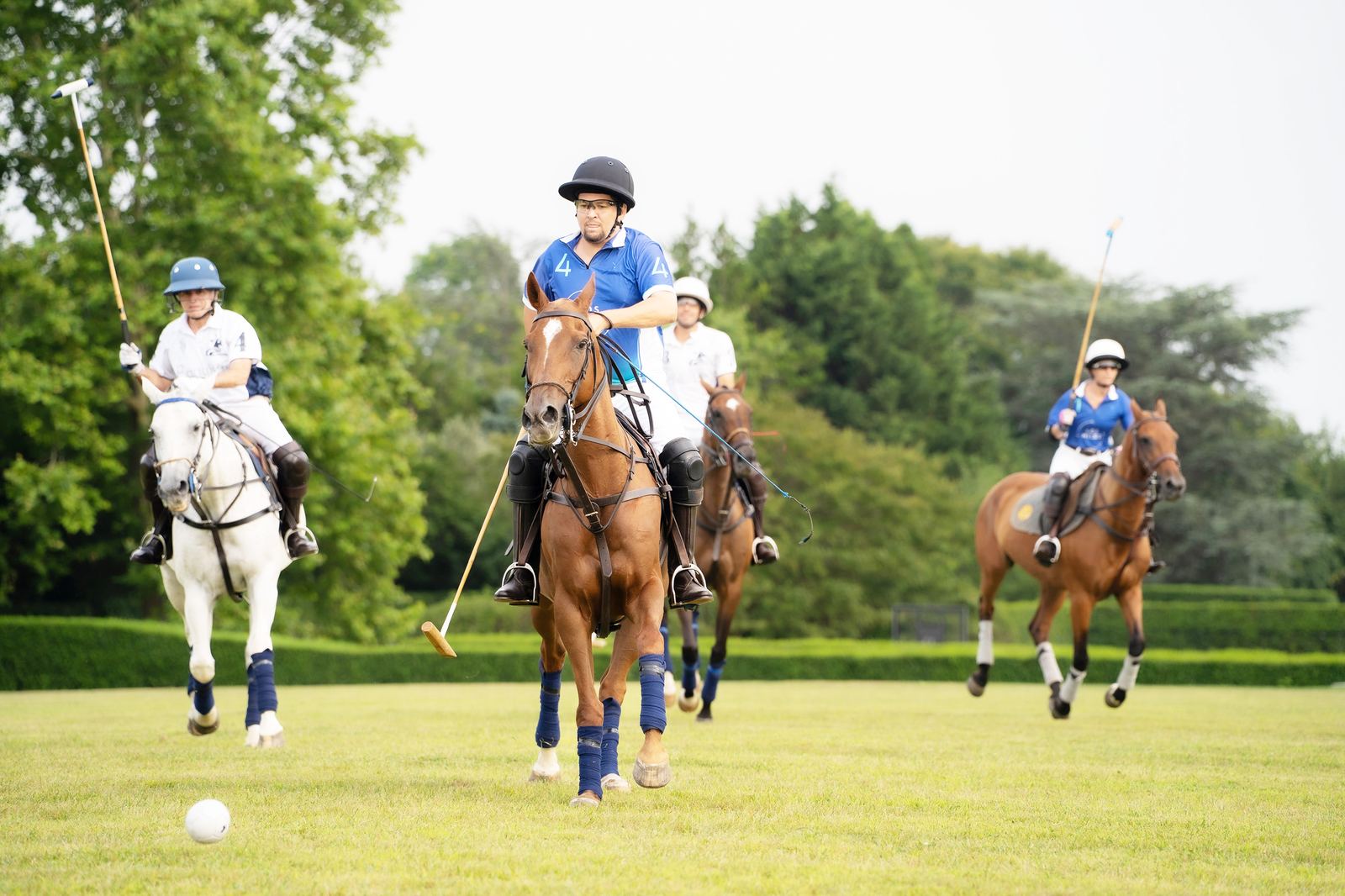
The backshot is one of polo’s most important plays. Instead of continuing forward into a crowd of defenders, a player hits the ball behind them, reversing the direction of play in a single stroke. A teammate who anticipated the turn, often the No. 3, picks it up with open field ahead.
The tail shot does something similar at an angle, sending the ball behind the horse’s hindquarters toward the side. In short, both shots reward the player who reads the game early. The spectacular forward hit draws applause; the backshot usually decides who controls the next minute.
What does marking mean in polo?
Every player is responsible for one opponent, and much of a match is spent shadowing that rider. Above all, a good mark keeps the opponent out of the play even when the ball is far away, which is why so much of the action happens off the ball.
The ride-off is the main tool. Two players gallop shoulder to shoulder, and the stronger horse and rider push the other off the line of the ball. A player who wins ride-offs consistently can control a game without scoring. Our guide to the rules of polo explains when this contact is legal.
How many horses does a polo player need?
Typically, a player brings a string of horses to every match, often six or more, because a pony can play only one hard chukker before resting. Deciding which horse plays which chukker is strategy in its own right. Many players save their best mount for the final chukker, when the score is close and every horse on the field is tiring.
That is why the pony lines matter. Meanwhile, grooms switch saddles in seconds, and a player who changes horses at the right moment, sometimes mid-chukker, gains speed that the other team cannot match. Polo players often say the horse accounts for most of a player’s success, and the professionals at Polo Hamptons tend to agree.
How do handicaps shape a polo team?
Tournaments cap the combined handicap of each team, so building a team is an exercise in arithmetic. A patron, the amateur who owns the team and its horses, is usually rated low. The professionals around him or her are chosen to fill the remaining goals as effectively as possible.
The patron-pro model shapes the game you see. Professionals protect the patron, set up shots for the patron, and play the positions that cover the patron’s gaps. A well-built team looks seamless; a poorly built one looks like four individuals who happen to be wearing the same jersey.
Three things to watch from the tent
- Find the No. 3. Follow the highest-rated player for a full chukker. Notice where he goes when the ball is on the other side of the field.
- Watch the throw-in. Each chukker starts with the umpire bowling the ball between the two lines of riders. The team that wins the throw-in often controls the opening minute.
- Count the horse changes. The team that switches horses fastest at the end of a chukker often finishes stronger.
Next July, pick the player who seems to be riding away from the action, and keep your eyes on him. When the ball lands at his horse’s feet, you will know it was not luck.
For the sport’s long history, read A History of Polo. For a champion’s view from the saddle, read our profile of Martin Pepa.
Frequently asked questions
What is the most important position in polo? The No. 3 is usually considered the most important position. The No. 3 is the playmaker and typically the team’s highest-rated player, responsible for turning defense into attack and directing the team’s shape.
What is a patron in polo? A patron is the amateur who funds a polo team, owns or leases its horses and usually plays on it. Professionals are hired to fill out the team within the tournament’s combined handicap limit.
What should I watch for at a polo match? Watch the No. 3’s positioning, the throw-in at the start of each chukker, and how quickly each team changes horses. These three details explain most of what decides a match.
Shop the look: Bring a little Polo Hamptons home with caps, hoodies, tees, totes and more from PoloMerch.com.